Influence Profile
No genre data available
Genre information will appear here once available
Trending in Mário Lúcio’s World
Latest Album
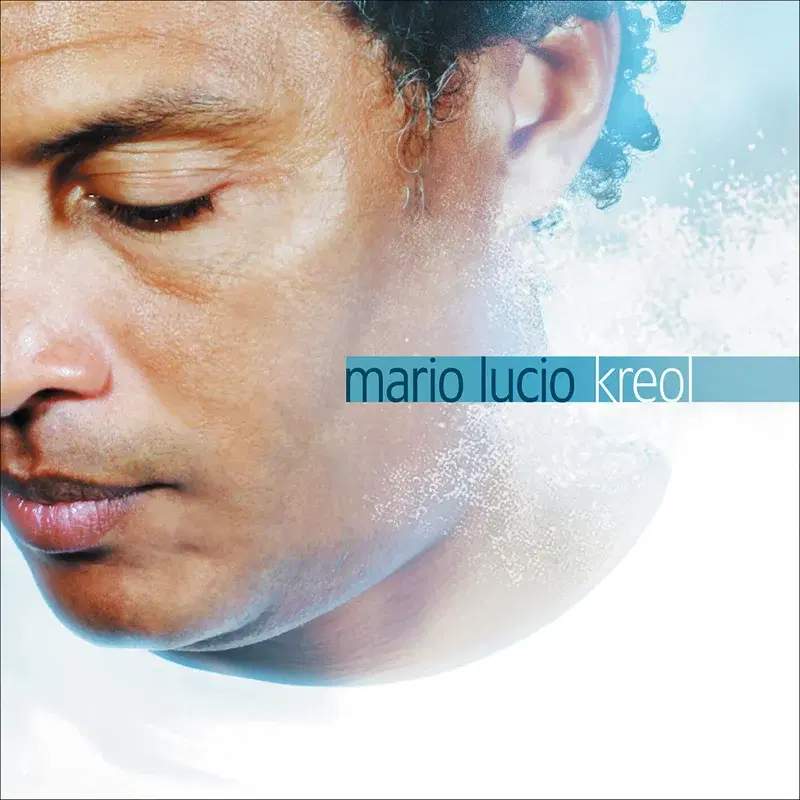
Kreol
Released Oct 25, 2010
Trending Globally
No trending songs available.
Story
Quick Facts
Born
1964
1964
From
Cabo Verde
Cabo Verde
Journey
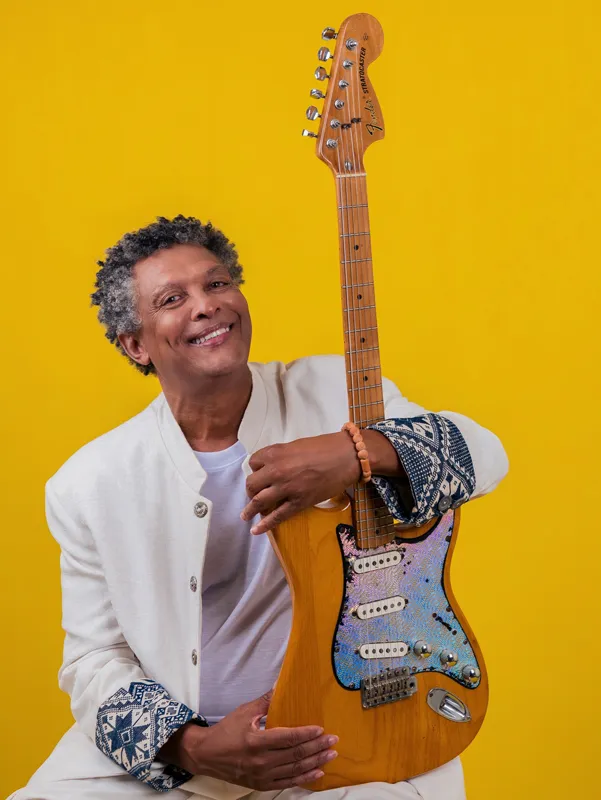
Across Cape Verde’s cultural landscape, few figures move as freely between artistic expression, political life, and intellectual thought. The journey of Mário Lúcio reflects a life shaped by early hardship, deep historical awareness, and a constant search for identity through music, literature, and public service. Born Lúcio Matias de Sousa Mendes in Tarrafal, Santiago Island, in 1964, he lost both parents during adolescence and grew up in the militarized environment of the former colonial barracks, where history and discipline marked daily life. Those formative years introduced him to oral traditions, percussion instincts, and rhythmic awareness that would later inform his artistic language.
A scholarship later took him to Havana, Cuba, where he studied law, an experience that expanded his worldview before his return to Cape Verde in 1990. He worked as a lawyer and entered politics, serving in parliament from 1996 to 2001, before later becoming Minister of Culture between 2011 and 2016, where he advocated for culture as a foundation of national development. Parallel to public life, he helped found Simentera, a group that reconnected Cape Verdean music with Santiago’s older traditions and foregrounded African influences within island identity.
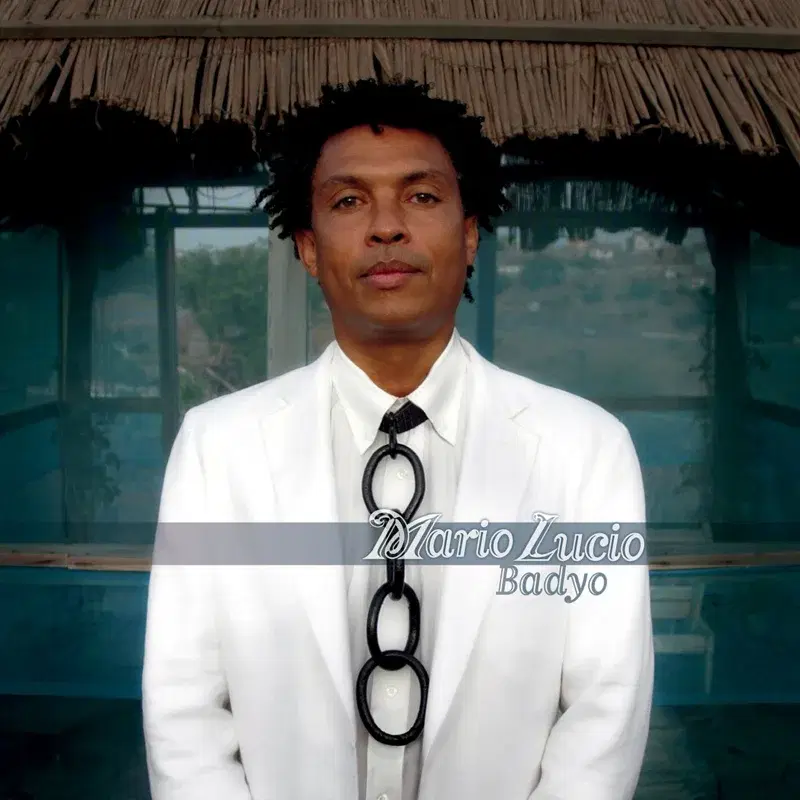
His solo catalog spans works such as "Mar e Luz," "Ao Vivo e aos Outros," "Badyo," "Kreol," "Funanight," and "Independance," each reflecting exploration of morna, funaná, coladeira, jazz, and broader Atlantic connections. Alongside music, he built a literary career spanning poetry, essays, theater, and novels such as 'Os Trinta Dias do Homem Mais Pobre do Mundo,' 'Novíssimo Testamento,' 'Biografia do Língua,' and 'O Diabo Foi Meu Padeiro,' often exploring language, memory, and postcolonial experience. A central idea in his thought is creolization, the belief that cultures in contact do not simply merge but generate new identities through exchange, adaptation, and continuity. His contributions have been recognized internationally, including receiving the Order of the Volcano in 2006, and he has collaborated with artists such as Gilberto Gil, Milton Nascimento, and Harry Belafonte.
Today, he stands as a central cultural thinker in Cape Verde, continuing to explore how identity is formed through history, language, and collective memory across generations and lived experience.